Fire Extinguishers
Are Foam Fire Extinguishers Banned in the UK?
Are foam fire extinguishers banned in the UK? Check the PFAS and PFOA rules in Great Britain and Northern Ireland and when to replace a unit.
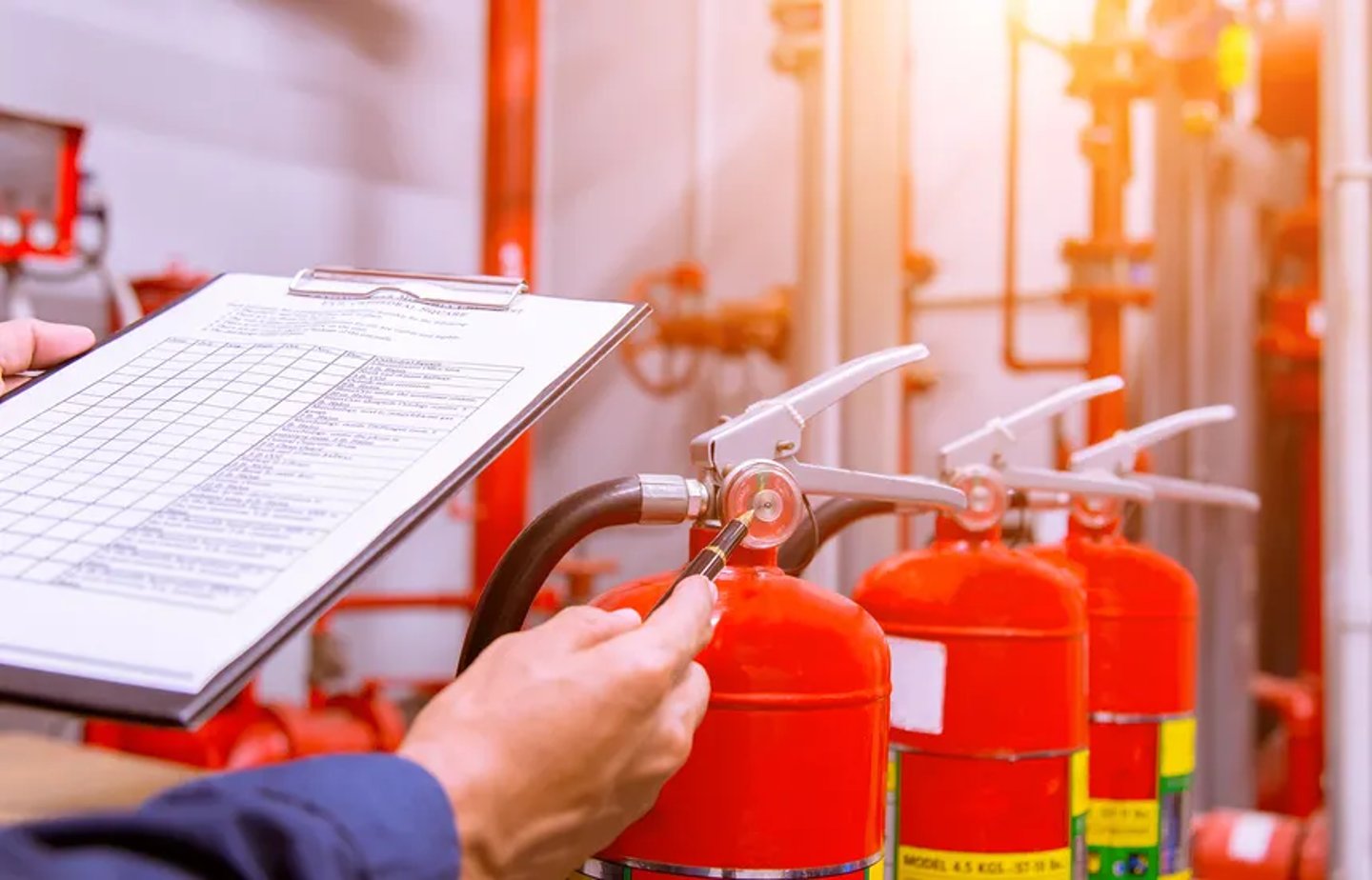
Fire Extinguishers
Are foam fire extinguishers banned in the UK? Check the PFAS and PFOA rules in Great Britain and Northern Ireland and when to replace a unit.
Check the exact foam formulation and where the extinguisher is installed. If the foam is restricted or its contents are unclear, ask a competent provider to confirm the next step and keep suitable fire cover in place during any change.
Updated on
Foam fire extinguishers are still allowed in the UK, but some foam formulations are restricted. Great Britain already restricts foams containing PFOA above the applicable limits. Northern Ireland began phasing out the supply of certain portable extinguishers containing PFAS on 23 October 2026. If yours says AFFF or the contents are unclear, ask your extinguisher service provider to confirm what is inside before ordering replacements.
This guide covers portable extinguishers in workplaces. Fixed systems, such as a warehouse foam suppression installation or an industrial foam system, need a separate review.
PFAS are a family of chemicals that can persist in the environment. PFOA is one of them and already has its own restrictions.
| Where | What to check |
|---|---|
| Great Britain | The exemption allowing certain uses of PFOA in firefighting foam ended on 4 July 2025. The wider HSE proposal under UK REACH is separate. Consultation on its draft socioeconomic opinion closed on 7 September 2026. The government expects a decision in 2027. The proposal itself sets no legal replacement deadline. |
| Northern Ireland | EU REACH restricts placing portable extinguishers containing foam with 1 mg/L or more of total PFAS on the market from 23 October 2026, with a later date of 23 April 2027 for alcohol-resistant foams. Under this restriction, use of qualifying portable units has a separate transition until 31 December 2030. Earlier restrictions on individual substances, such as PFOA, still apply. |
See the GOV.UK guidance on PFOA, the HSE proposal and entry 82 of EU REACH, paragraphs 5 and 6, for the underlying rules. Defra's explanatory memorandum confirms that the EU amendment applies in Northern Ireland.
Start with the label. AFFF stands for aqueous film-forming foam. If you see AFFF, AR-AFFF or an unfamiliar foam name, record the details and ask the manufacturer or service company to check the formulation. The cream identification panel or a recent service label cannot tell you which chemicals are in the cylinder.
Ask the provider which fire risk the existing extinguisher covers, then compare the replacement's fire rating, suitability and siting. Fluorine-free foam may suit some Class B risks, which involve flammable liquids, but the liquid on site matters. A stockroom used for cardboard and an area storing flammable solvents may need different provision even if both currently have a foam unit.
BS 5306-8:2023 gives recommendations on selection and positioning. Ask the provider to record what they replaced and why. Update the fire risk assessment or equipment schedule where the provision changes, and tell staff if the instructions on the new equipment differ. See our guide to workplace extinguisher provision if you are reviewing the whole site.
Arrange collection with a provider that can confirm the correct waste route for the unit and its contents. Tell them if the foam is suspected to contain PFOA or other PFAS so they can classify the waste. Keep any applicable transfer or consignment paperwork with your replacement records.
Leave the cylinder sealed. Do not discharge it into a drain, onto the ground or to check its contents. The Environment Agency has separate waste guidance for England where relevant persistent organic pollutant limits are exceeded. If you manage sites across the UK, confirm the requirements at each site with your waste contractor.
Send your provider the label photos and ask for a list of units they can verify, units that need further checks and any that need replacement. Where a unit may already contain restricted foam, contact the provider promptly so it can arrange a review and suitable cover. FIDEC can help review equipment through its commercial fire extinguisher servicing in Manchester. Our servicing guide covers the regular checks to keep doing in the meantime.
No. The label may identify the type of foam, but ask the manufacturer or servicing provider to confirm the formulation for the unit and any subsequent refill.
The October date concerns placing certain portable extinguishers on the market. The wider PFAS restriction gives portable units a separate use transition until 31 December 2030. Earlier restrictions on individual substances such as PFOA still apply.
Only if the replacement is suitable for the risks at that location. A water extinguisher chosen for ordinary combustible materials may leave a flammable-liquid risk uncovered. Ask your provider to check the required fire class and rating before changing the equipment.
Leave it sealed. Tell the service provider or waste contractor what you know about the charge and ask them to arrange the appropriate collection and disposal route.